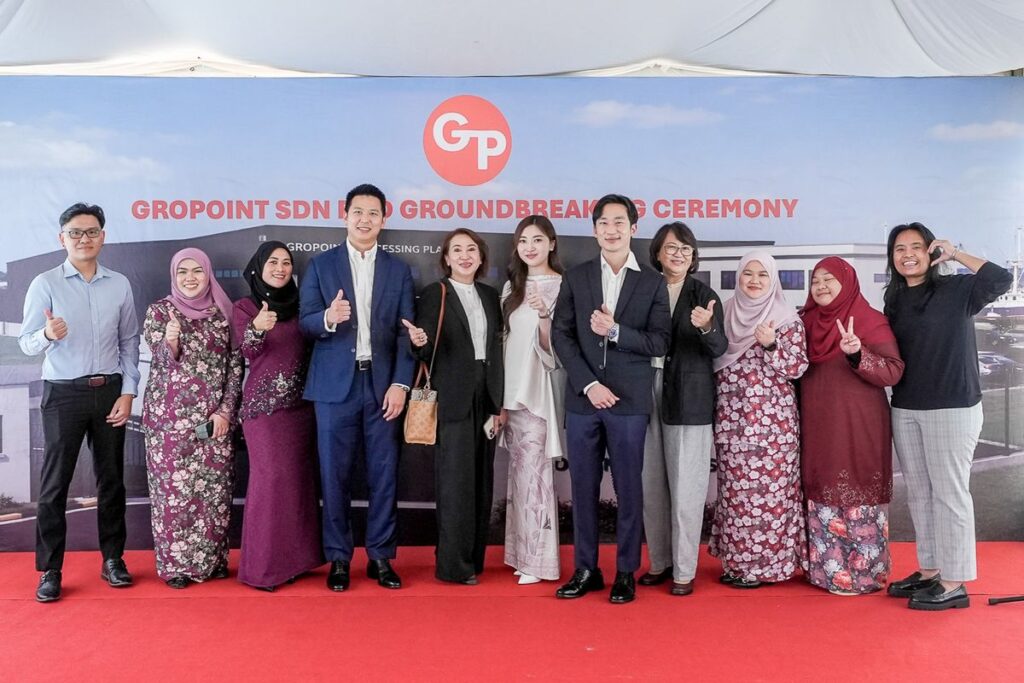
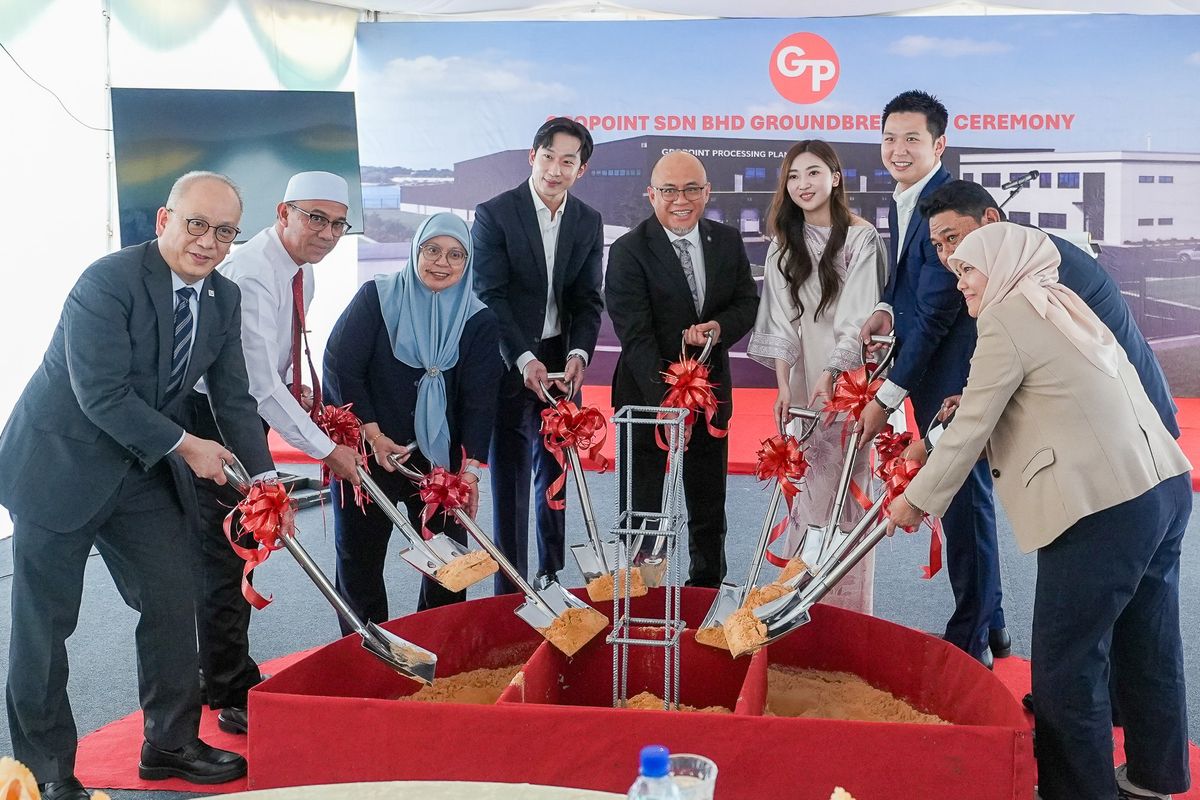
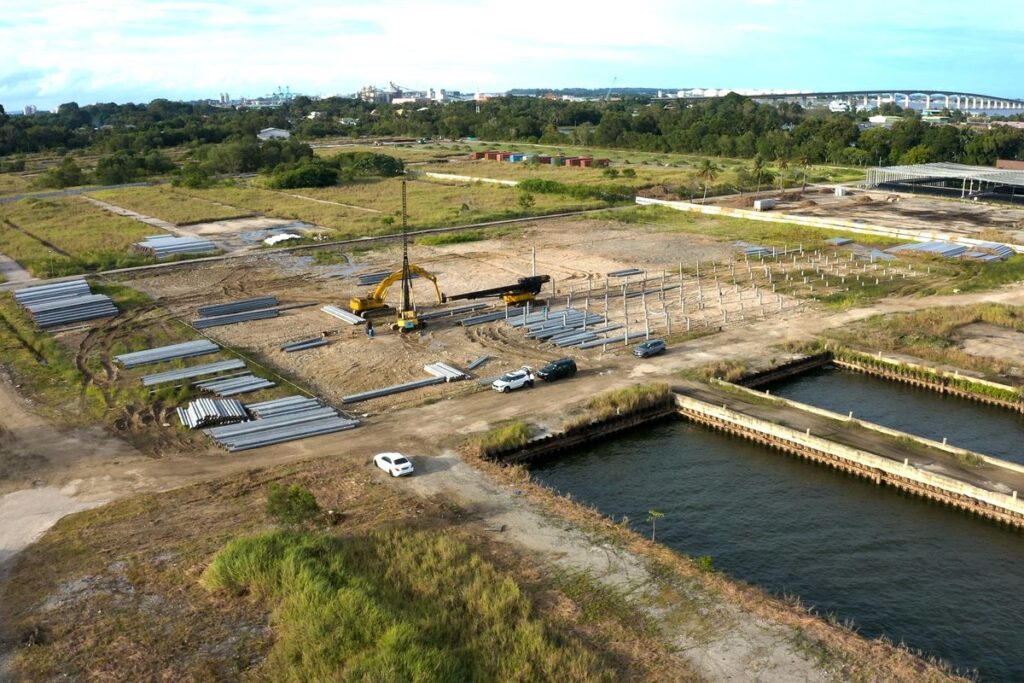
Gropoint Sdn Bhd’s upcoming seafood processing plant in Serasa is set to be Brunei’s largest, with a capacity to process up to 60 tonnes a day once operational in March 2027.
The 13,000-square-metre facility will process local and imported seafood – with a focus on tuna – primarily for export with its starting phase covering three production lines: frozen seafood, cooked tuna loins for canning and sashimi-grade tuna. Fish meal and crude fish oil will also be produced from by-products.
The second phase, targeted by 2029, covers further downstream value-added processing, including a fish cannery, a refinery to convert crude fish oil into omega-3, as well as the extraction of marine collagen and peptides for nutraceuticals and dietary supplements.
The initial phase is expected to create more than 200 jobs, potentially rising to more than 500 if subsequent phases proceed.
The seafood processing plant marks Gropoint’s second foreign direct investment (FDI) in Brunei, following the establishment of its 55-hectare fruit and vegetable farm at the Tungku Agricultural Development Area (KKP) in 2018, which has since become Brunei’s biggest chilli producer, supplying more than half of local demand.
Gropoint’s MD Lee Wei Sheng and CEO Eileen Lee Hui Shi – Malaysian siblings from Labuan who grew up in Brunei – said both investments were driven by the opportunity to pioneer and scale new developments in the Sultanate’s food sector, supported by land availability and the country’s strategic location.
The Lee family’s longstanding seafood business in Labuan – spanning fresh catch to processing – provides Gropoint with deep industry expertise, established networks and over 40 years of operational experience.
Bernama reported in 2025 that the Lees’ Labuan Food Industries was Malaysia’s sole exporter of sashimi-grade tuna and Sabah’s largest tuna buyer, with its exports reaching Europe and the United States.

With the Lees’ Serasa facility several times larger than their current Labuan setup, domestic catch would be insufficient to fully utilise the plant’s capacity, despite the family operating 10 fishing vessels out of Brunei and another 10 in Labuan.
“We are investing in this seafood processing plant because we see a clear opportunity to take the experience that we have and apply it here, to take our business even further,” said Wei Lee.
“We envision this as much more than a single factory. It’s a step towards building an ecosystem that will pull in more investment. We see that the government is welcoming FDI and wants to grow its aquaculture and agriculture output, so we trust that we are aligned in this goal.”
Eileen said they have already secured interest in forming a joint venture with another company to produce fish oils, meals and peptides on site.
“Eighty per cent of the value chain for tuna is in downstream processing, so this venture needs to be much more than just being a raw-fish supplier. It is about processing, industry certifications and halal positioning to build premium products,” she said.
Brunei and neighbouring Labuan lie along northern Borneo, relatively close to the western reaches of the Western and Central Pacific to the east, the world’s largest tuna fishing region.
Gropoint’s ability to reliably source seafood regionally – process and certify it as a Brunei-originating product – and export to destinations under free-trade agreements or with preferential tariffs – will be the deciding factor in how far the project can scale.
From exports to food security: Gropoint navigates Brunei’s primary food production landscape
The Lee siblings made local headlines in 2019 when they unveiled that they had begun planting one of the world’s most expensive melons in Brunei – although the family’s business operations in the Sultanate stretch back more than a decade as a seafood importer.
The muskmelon venture found early success, with exports reaching countries including Singapore and Hong Kong, while also drawing interest from premium retailers in China.
But the pandemic years that followed strained logistics arrangements – coupled with increasing competition from regional producers and weaker overall demand – saw prices drop for the premium Japanese-style muskmelons, forcing Gropoint to reconsider their strategy.
They repurposed their greenhouses and began planting chilies and leafy greens, shifting towards crops with steadier domestic demand, aligning with the country’s renewed focus on food security and reducing reliance on imports.
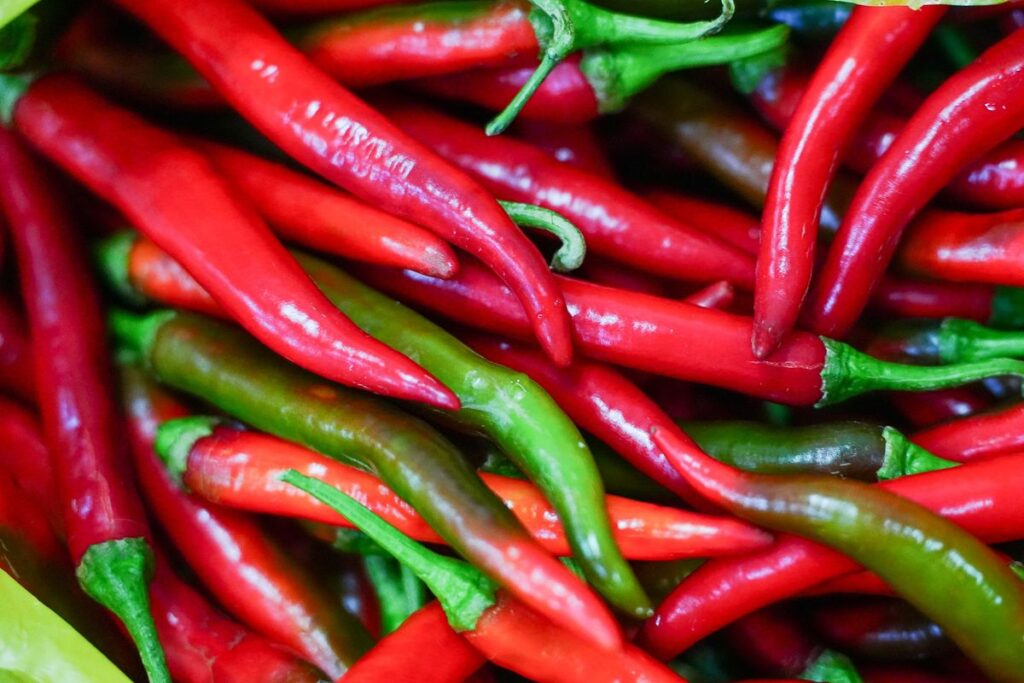
Today, Gropoint produces between 12 and 16 metric tonnes of volcano chillies monthly – known locally as lada minyak – while also producing more than five tonnes of leafy greens – primarily varieties of mustard greens (sawi or choy sum) and Chinese cabbage (bok choy) – and four tonnes of eggplants.
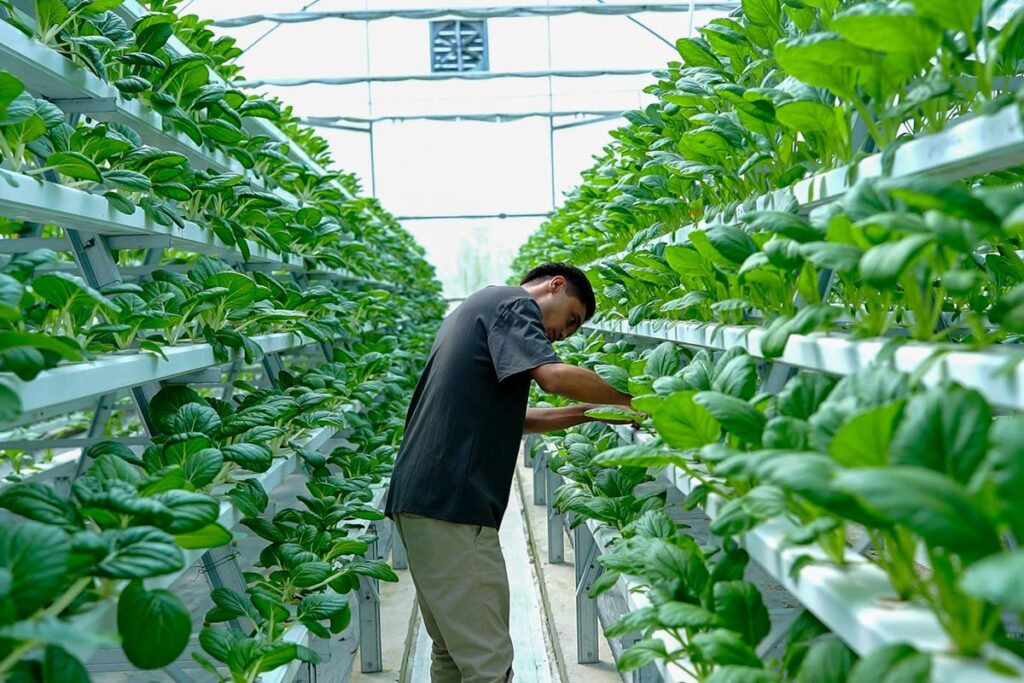

While the shift towards supplying the domestic market helped stabilise the farm commercially, Wei Lee has remained determined in their push for agricultural innovation, as they continue R&D into crops not traditionally produced at scale in Brunei.
In 2023, Gropoint piloted Brunei’s first vertical strawberry farm in Tungku. They eventually settled on a more cost-effective, conventional temperature-controlled greenhouse setup, which houses around 6,000 strawberry plants and produces about 30kg every two to three days during an eight-month fruiting season.
“We are currently supplying these locally to supermarkets, and we’re trying to raise production further with another greenhouse,” he said. “But we haven’t given up on R&D; in fact, our next plan is to try planting berries in Brunei, including blueberries, raspberries and blackberries.”
Following their father’s passing in 2023, the Lee siblings have taken up the mantle of the family business with their mother’s support.
Although their investments are formally classified as FDI, the siblings often describe Brunei as a “second home”, giving their ventures in the Sultanate a more personal dimension than a conventional corporate expansion.
With less than a decade to go until Wawasan 2035, and the food sector’s ambitious role in diversification that balances food security while also growing exports, the Lees’ investments are poised to make meaningful contributions towards both priorities, while also continuing to push the envelope of what the sector can produce.